
Meaningful Safari Experiences in East Africa (2026)
January 6, 2026
Content Creator Safaris in East Africa: 2026 Edition
January 13, 2026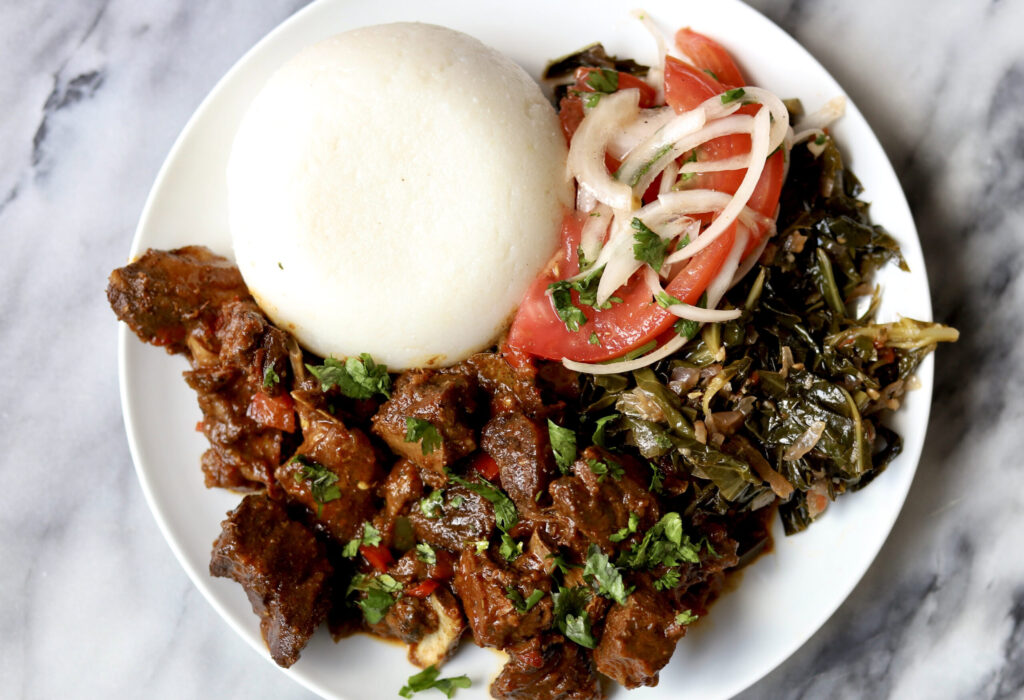
In 2026, travelers no longer measure journeys by distance alone. Instead, they seek meaning, connection, and stories they can carry home. Across East Africa, culinary safaris are shaping this new way of travel. Rather than focusing only on wildlife sightings, travelers now explore Uganda, Rwanda, Kenya, and Tanzania through food, people, and everyday traditions.
Because food connects culture, land, and history, culinary safaris offer one of the most powerful ways to understand East Africa. These experiences move beyond lodge dining and lead travelers into farms, markets, and family kitchens, where food explains life better than any guidebook.
Why Culinary Safaris Are Growing in 2026
Travel habits in 2026 reflect a clear shift toward slower and more intentional journeys. Travelers want to understand what they eat, where it comes from, and who prepares it. As a result, East Africa has become a natural choice for food-focused travel.
Across the region, communities grow food locally, cook seasonally, and pass recipes down through generations. In addition, many culinary experiences directly support small farmers, women’s groups, and local businesses. Because of this, travelers feel confident that their visits create positive impact rather than harm.
Tanzania: Coffee, Farms, and Coastal Flavors
Tanzania offers one of the most diverse culinary journeys in East Africa. In the northern highlands around Karatu and Ngorongoro, travelers walk through coffee farms and learn each step of the process from harvesting and drying to roasting and brewing. These experiences allow visitors to taste coffee exactly where it grows.
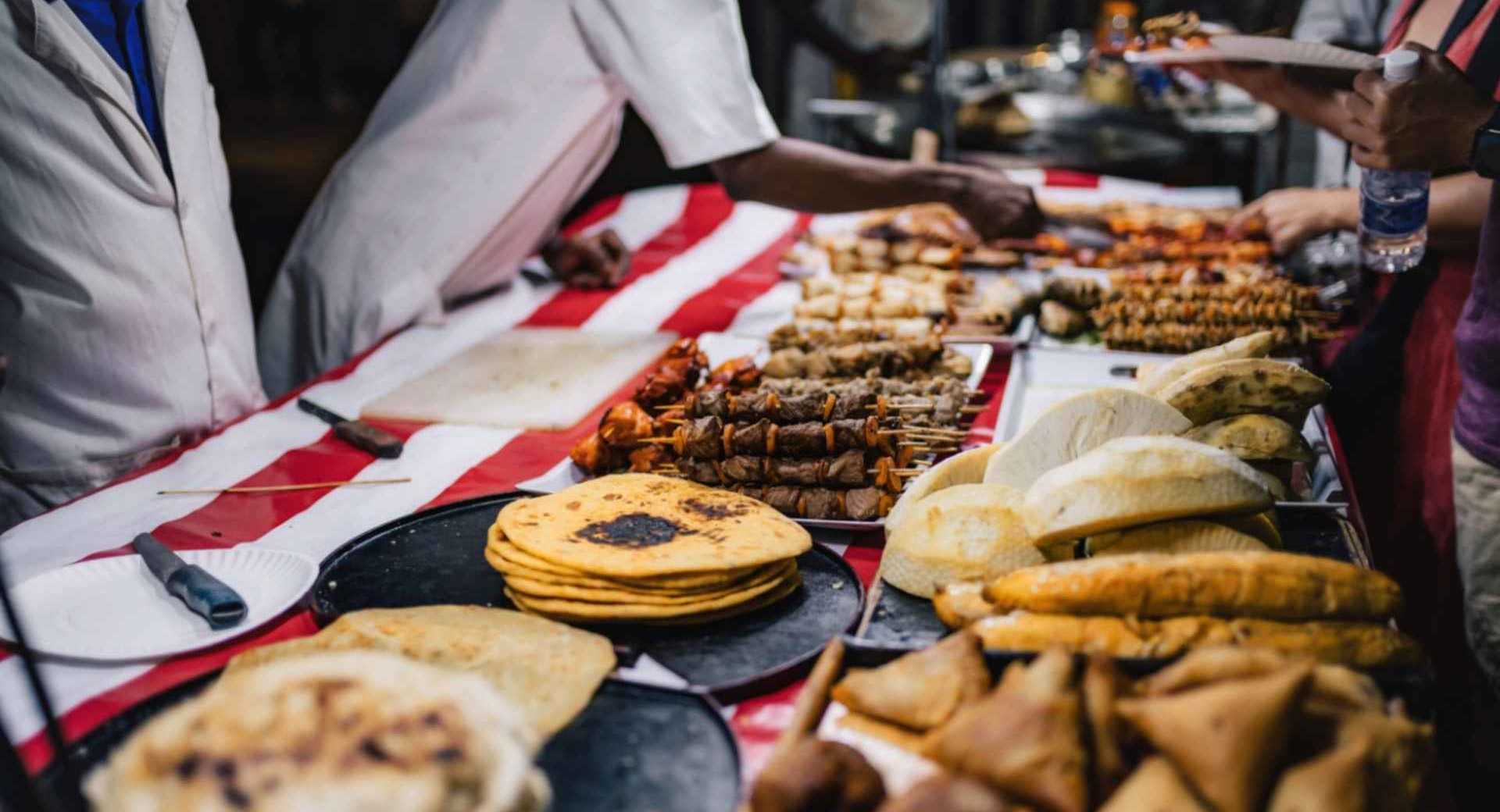
Meanwhile, along the Swahili Coast and in Zanzibar, food tells a story shaped by centuries of trade. Dishes rich in spice, coconut, rice, and seafood reflect African, Arab, and Asian influences. Through market visits and cooking sessions, travelers experience how history lives on in everyday meals.
Uganda: Simple Food, Deep Connections
Uganda’s culinary experiences focus on community and shared living. Food here grows close to home, and people prepare it with care and patience. During a culinary safari, travelers visit banana plantations, lakeside fishing villages, and rural homes to learn how families prepare meals such as matoke, groundnut stew, and luwombo.
More importantly, meals in Uganda create connection. Hosts welcome visitors into their daily routines, and cooking becomes a shared activity rather than a performance. Because of this openness, travelers often leave with strong personal memories, not just new flavors.

Beef prepared in Banana leaves
Rwanda: Thoughtful Cooking and Sustainable Living
Rwanda approaches food with intention and balance. Around Volcanoes National Park and Lake Kivu, travelers experience farm to table dining that reflects the country’s strong focus on sustainability. Coffee washing stations, tea plantations, and organic farms form the heart of many culinary safaris.
At the same time, cooking experiences in Rwanda emphasize care and storytelling. Hosts explain how food supports healing, community, and resilience. As a result, travelers gain insight into Rwanda’s culture through calm, meaningful moments rather than busy schedules.
Kenya: Tradition Meets Modern Taste
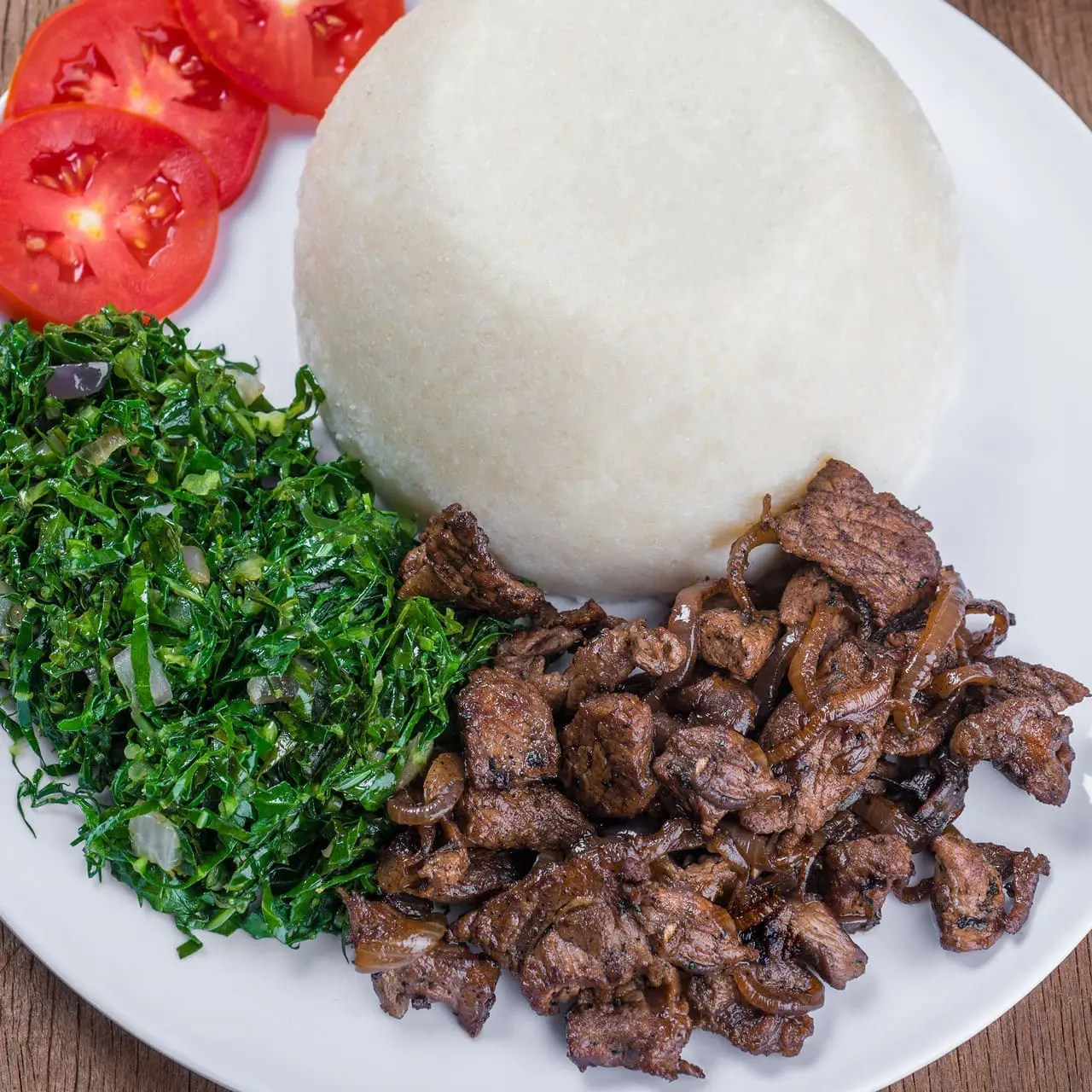
Kenya offers a culinary journey shaped by both heritage and innovation. In rural regions, travelers explore traditional dishes such as ugali, sukuma wiki, and nyama choma while learning how farming supports daily life. In contrast, cities like Nairobi showcase modern interpretations of local cuisine, led by young chefs and food entrepreneurs.
Because of this balance, culinary safaris in Kenya appeal to travelers who enjoy both tradition and creativity. Market visits, cooking demonstrations, and storytelling sessions help connect the past with the present.
What a Culinary Safari Feels Like
A culinary safari follows a relaxed pace. Mornings may include wildlife encounters or scenic walks. Later in the day, travelers visit markets, farms, or kitchens to learn directly from local hosts. Evenings focus on shared meals, conversation, and reflection.
Unlike rushed itineraries, these journeys allow time to observe, ask questions, and participate. In addition, travelers often combine culinary experiences with classic safaris or gorilla trekking, which creates a balanced and rewarding itinerary.
Conclusion
Culinary safaris in East Africa in 2026 reflect a deeper change in how people travel. Food becomes a bridge between cultures, landscapes, and individuals. Through coffee, spices, shared meals, and simple recipes, travelers understand East Africa in a more personal and lasting way.
At Traford Safaris, we design culinary journeys that respect tradition, support communities, and invite genuine participation. Because when travelers slow down and share a meal, they don’t just visit East Africa they connect with it.