Why Lion and Leopard Tracking Is a Must-Try in Uganda
May 6, 2026
Lion tracking in Queen Elizabeth National Park is one of Uganda’s most unique wildlife experiences but it is also strictly controlled to ensure visitor safety and protect the animals. The activity is conducted under the guidance of trained rangers and researchers, and all participants must follow clearly defined rules.
Here’s a well-structured and accurate guide to the key regulations you need to know.

1. Tracking Is Only Done with Authorized Guides
Lion tracking is not a self-guided activity.
- You must be accompanied by trained rangers or researchers
- Follow all instructions given during the briefing and throughout the activity
- Never attempt to track lions on your own
This is both a safety requirement and a conservation measure.
2. A Valid Permit Is Mandatory
Before participating, you must:
- Obtain a lion tracking permit from the Uganda Wildlife Authority
- Book in advance due to limited slots
The experience is restricted to a small number of participants to avoid disturbing the lions and to support research quality.
3. Stay Inside the Vehicle at All Times
For safety reasons:
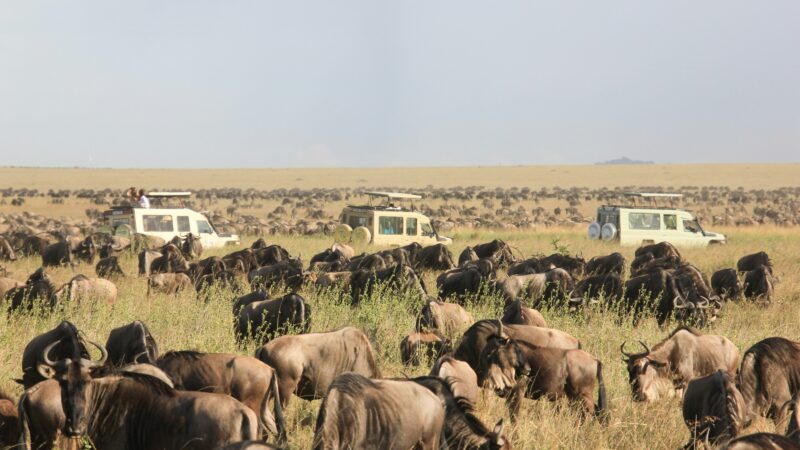
- Do not leave the safari vehicle during tracking
- Keep doors closed, especially if lions approach
- Avoid leaning too far out of windows
Lions are powerful predators, and this rule is strictly enforced.
4. Maintain a Safe Distance
Visitors must:
- Keep a distance of about 8–15 meters from the lions
- Avoid trying to get too close for photos
This protects both humans and animals and ensures natural behavior is not disrupted.
5. Keep Noise to a Minimum
Silence is critical during tracking.
- Avoid loud talking, shouting, or sudden sounds
- Keep movements calm and controlled
Noise can:
- Scare lions away
- Trigger defensive or aggressive behavior
6. No Flash Photography or Drones
Strict rules apply to photography:
- Flash photography is prohibited
- Drones are not allowed
These can disturb lions, interfere with hunting behavior, and disrupt research activities.
7. Do Not Feed or Attract Wildlife
Visitors must never:
- Feed lions or any wildlife
- Throw objects or food toward animals
- Attempt to attract their attention
This is dangerous and illegal, as it alters natural behavior.
8. Follow Designated Routes Only
Even during tracking:
- Vehicles must stay on approved tracks
- Off-road driving is restricted unless directed by rangers
This helps protect habitats and prevents stress to wildlife.
9. Dress and Behavior Guidelines
Visitors are advised to:
- Wear neutral-colored clothing (avoid bright colors)
- Avoid strong perfumes or scents
- Stay calm no sudden movements
These precautions reduce the chances of attracting or alarming lions.
10. Age and Group Restrictions
- Young children are generally not allowed for safety reasons
- Group sizes are limited for better control and minimal disturbance
11. Respect Time Limits and Park Rules
Lion tracking:
- Usually lasts 1–3 hours
- Takes place at scheduled times (morning or evening)
Additionally, general park rules apply:
- No littering
- No off-track driving
- Obey speed limits
- Respect wildlife at all times
12. Conservation Comes First
Every rule is designed to:
- Protect lions and their habitat
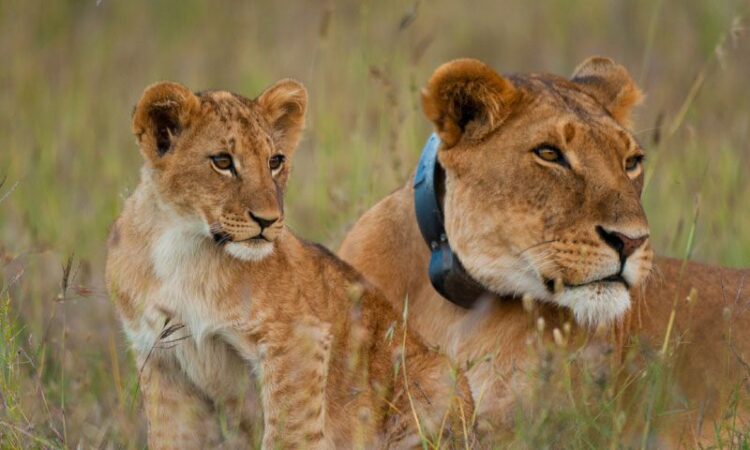
- Support ongoing research (e.g., radio collar tracking)
- Ensure sustainable tourism
By following these guidelines, visitors directly contribute to conservation efforts in Uganda.
Final Thoughts
Lion tracking in Queen Elizabeth National Park is an exclusive, research based safari experience, but it comes with responsibility.
The key expectations are simple:
- Follow your guide
- Respect wildlife
- Stay safe and controlled
When done correctly, it becomes one of the most educational, thrilling, and conservation-driven activities you can experience on a Uganda safari especially when organized by experts like Traford Safaris Ltd.