Rules and Regulations Governing Lion Tracking in Queen Elizabeth National Park.
May 6, 2026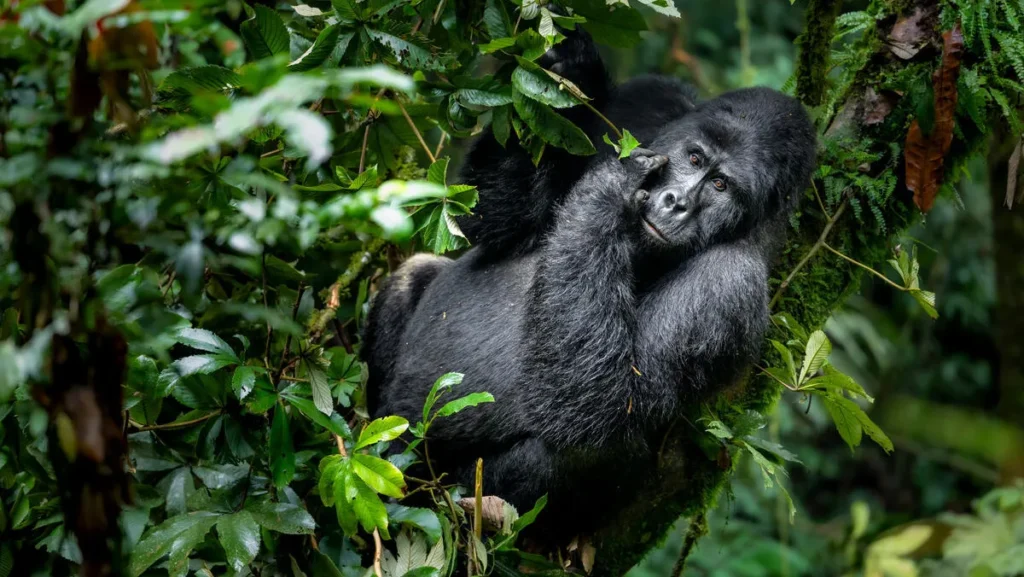
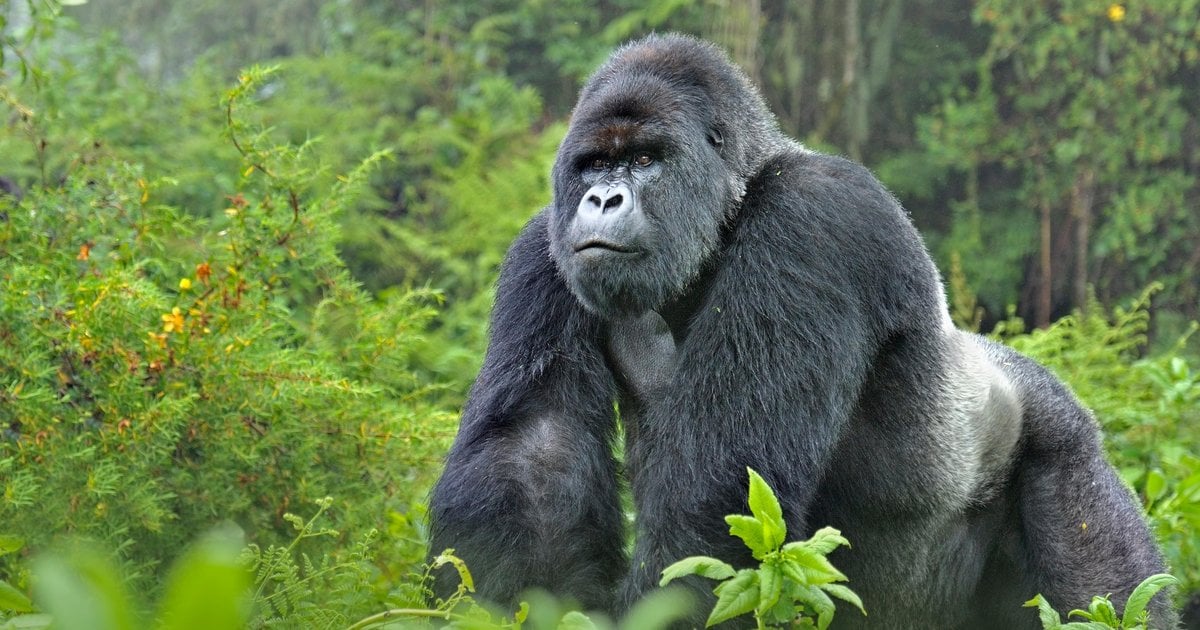
Mountain gorillas are one of the world’s greatest conservation success stories. Deep in the forests of Uganda, Rwanda, and the Democratic Republic of Congo, these gentle giants once faced extinction. Today, however, their population has grown to more than 1,100 individuals in the wild.
For travelers visiting East Africa in 2026, gorilla trekking offers more than just a safari activity. Instead, it gives visitors the rare chance to witness a conservation miracle firsthand.
A Species Once on the Brink
Mountain gorillas live only in the Virunga Mountains and Uganda’s Bwindi Impenetrable Forest. For decades, poaching, habitat destruction, civil unrest, and disease threatened their survival.
By the early 1980s, only about 250 mountain gorillas remained in the wild. At the time, many conservationists feared the species could disappear forever.
However, the story of mountain gorillas slowly began to change because of dedicated researchers, wildlife authorities, conservation organizations, and local communities.
Dian Fossey’s Role in Gorilla Conservation
One of the most important figures in mountain gorilla conservation was Dian Fossey.
Fossey spent nearly two decades studying and protecting gorillas in Rwanda’s Virunga region. Through her research, she helped the world understand that gorillas were peaceful, intelligent, emotional, and highly social animals.
At a time when very few people cared about gorilla conservation, Fossey fought tirelessly against poaching and illegal wildlife trade. Her work brought global attention to the dangers facing mountain gorillas.
Sadly, Fossey was murdered in Rwanda in 1985 when mountain gorilla numbers were still critically low at around 250 individuals.
Although her life ended tragically, her conservation efforts laid the foundation for modern gorilla protection programs across East Africa.
How Mountain Gorilla Numbers Recovered
Today, mountain gorillas are among the few great apes whose population is increasing. Conservation efforts across Uganda, Rwanda, and DR Congo have helped stabilize and grow their numbers over the years.
Several factors contributed to this recovery:
- Strong anti-poaching patrols
- Veterinary care and gorilla monitoring
- Community conservation programs
- Revenue from gorilla tourism
- Cooperation between East African conservation authorities
As a result, recent census findings now confirm that more than 1,100 mountain gorillas live in the wild today.
This achievement proves that conservation can succeed when governments, communities, conservationists, and travelers work together toward a common goal.
Why Gorilla Tourism Matters
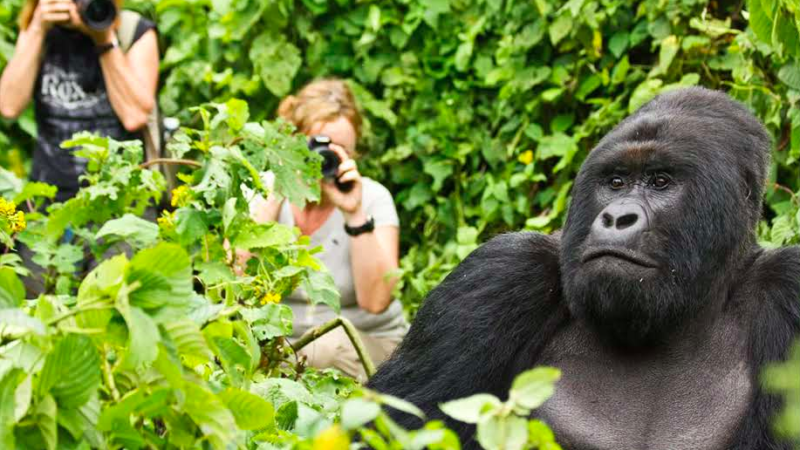
Responsible tourism has played a major role in protecting mountain gorillas. Gorilla trekking permits directly support conservation activities, park management, ranger salaries, veterinary care, and nearby communities.
Countries like Uganda and Rwanda have built strong conservation models around gorilla tourism. Because of this, travelers who visit gorillas contribute directly to protecting the species and preserving forest habitats.
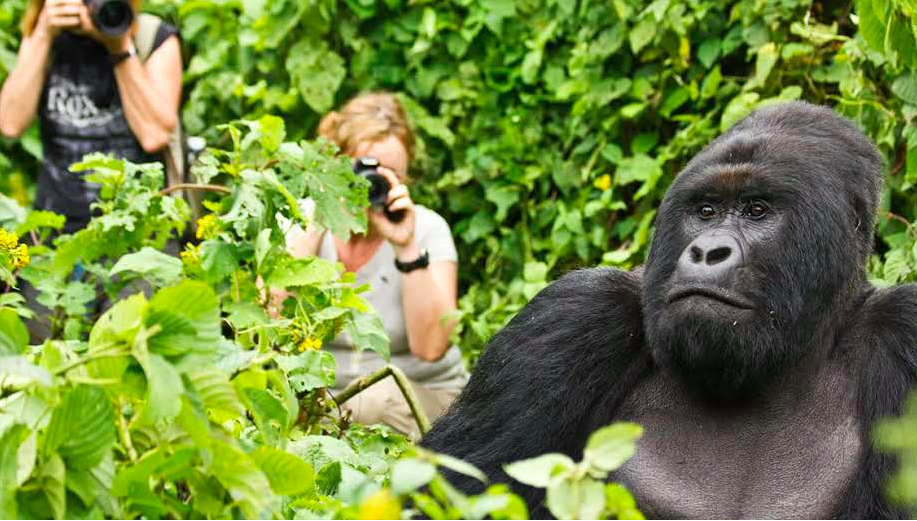
In Uganda, gorilla trekking takes place in Bwindi Impenetrable National Park and Mgahinga Gorilla National Park. Meanwhile, Rwanda’s trekking experiences happen inside Volcanoes National Park.
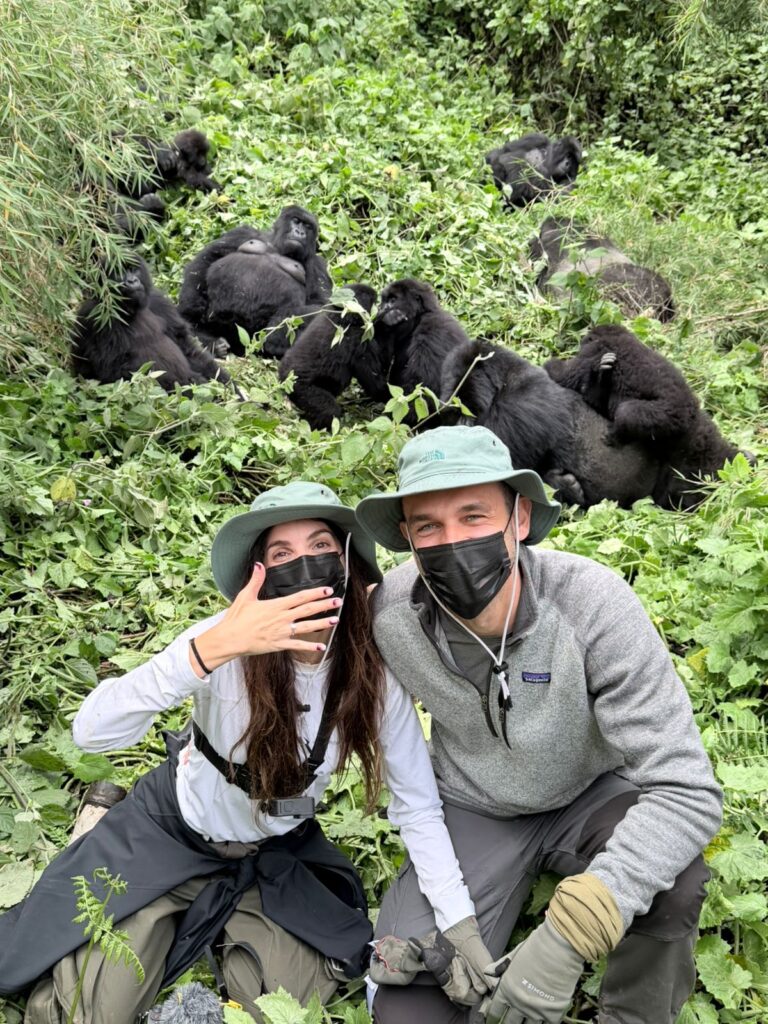
For many visitors, seeing a mountain gorilla in the wild becomes one of the most emotional wildlife encounters of their lives.
The Challenges Still Facing Mountain Gorillas
Despite the encouraging recovery, mountain gorillas remain endangered. Their habitat is limited, and several threats still exist today.
These challenges include:
- Human population pressure near protected forests
- Disease transmission from humans
- Habitat encroachment
- Climate change
- Political instability in some regions
Because gorillas share about 98% of human DNA, they can easily catch human illnesses. Therefore, strict gorilla trekking rules remain extremely important.
Visitors must keep a safe distance, avoid trekking when sick, and follow park ranger instructions at all times.
Why You Should Book Gorilla Permits Early with Traford Safaris
Mountain gorilla trekking continues to grow in popularity in 2026. However, permits sell out quickly, especially during the peak travel months from June to September and December to February.
Authorities limit the number of visitors allowed to see gorillas each day. This system helps reduce stress on gorilla families and protects them from disease exposure.
Booking early with Traford Safaris gives travelers a better chance of securing preferred trekking dates and gorilla sectors. In addition, early reservations make safari planning much smoother.
Traford Safaris helps travelers by:
- Securing permits in Uganda, Rwanda, and DR Congo
- Organizing accommodation near gorilla parks
- Coordinating transport and safari logistics
- Providing updated travel guidance for East Africa
- Planning combined gorilla and wildlife safari experiences
Most importantly, every gorilla permit purchased supports conservation work and nearby communities. Permit fees help fund ranger patrols, habitat protection, veterinary care, and local development projects.
Therefore, booking early does more than secure your safari it also helps protect mountain gorillas for future generations.
Final Thoughts
The recovery of mountain gorillas stands as one of Africa’s greatest conservation achievements. From only 250 gorillas during Dian Fossey’s final years to more than 1,100 individuals today, the journey has been remarkable.
Still, conservation work continues every single day. Protecting mountain gorillas requires ongoing support from governments, researchers, local communities, conservation groups, and responsible travelers.
For travelers visiting East Africa with Traford Safaris, gorilla trekking becomes more than a safari activity. It becomes part of a larger story of hope, resilience, and conservation success.