
Will the Iran War Affect Your Safari? What Travelers Should Know in 2026.
March 12, 2026
Planning an East Africa safari in 2026 is an exciting adventure. From tracking mountain gorillas in Uganda to witnessing the Great Migration in Tanzania, the region offers some of the world’s most unforgettable wildlife experiences.
However, many travelers planning a safari are asking an important question:
Will rising fuel prices make East Africa safaris more expensive in 2026?
The short answer is yes but the increase is usually moderate. In this guide, Traford Safaris explains how fuel prices affect safari costs and what travelers can expect when planning a safari in Uganda, Kenya, and Tanzania.
Why Fuel Prices Affect Safari Costs
Unlike typical vacations, safaris involve long-distance travel between national parks and extensive game drives inside wildlife reserves.
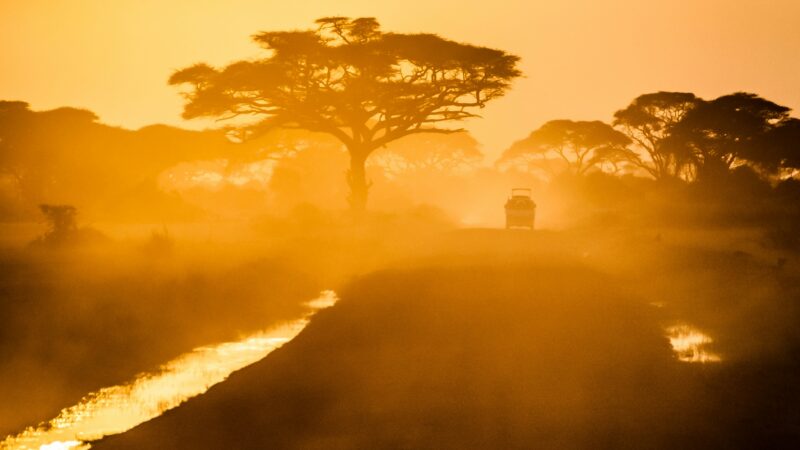
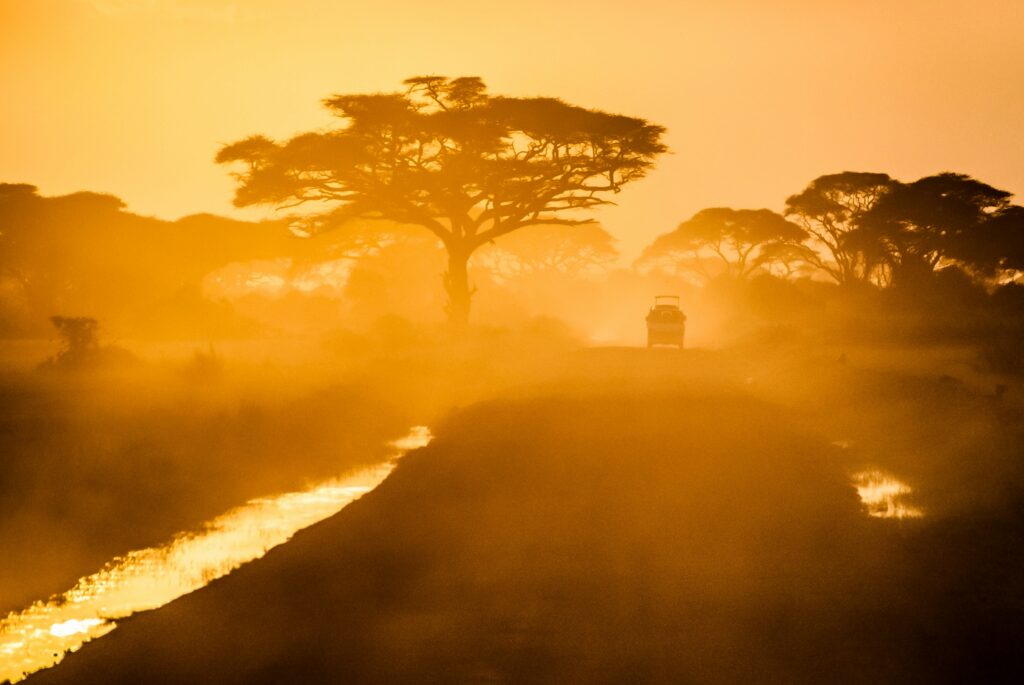
Most safari vehicles are 4×4 safari Land Cruisers or open-roof safari vans, designed to handle rough terrain and remote locations. These vehicles consume more fuel than standard cars.
During a typical East African safari, fuel is used for:
-
Long transfers between parks
-
Daily wildlife game drives
-
Airport pickups and transfers
-
Transporting supplies to remote safari lodges
For example, a safari route between Murchison Falls National Park, Maasai Mara National Reserve, and Serengeti National Park involves thousands of kilometers of driving.
As fuel prices rise globally, safari operators must adjust transportation costs to maintain high-quality safari services.
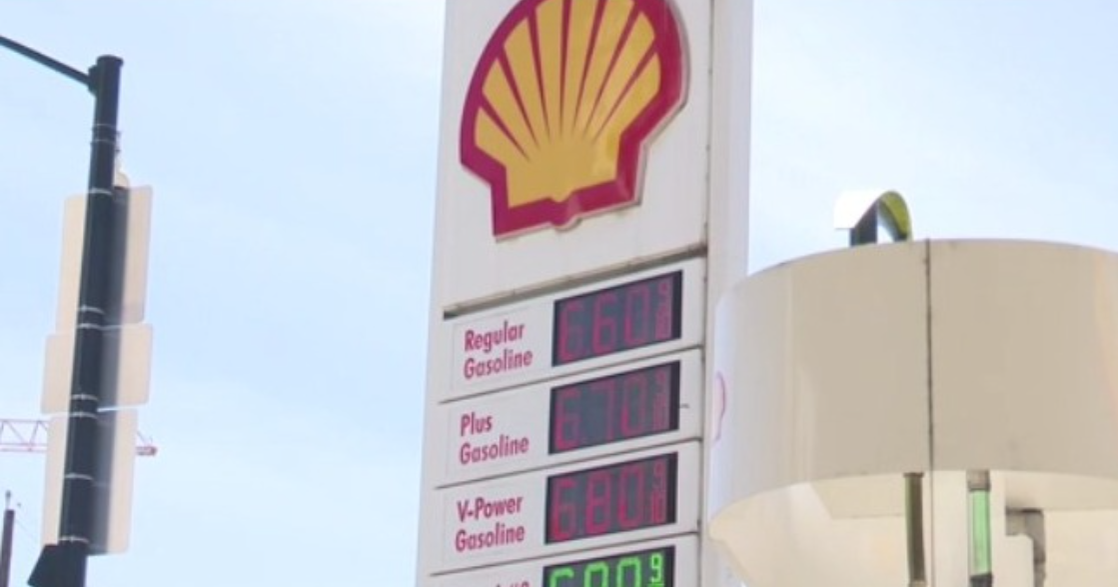
Why Fuel Prices Are Rising in 2026
Fuel prices around the world fluctuate due to several global factors including:
-
International oil market changes
-
Supply chain disruptions
-
Global geopolitical tensions
-
Currency fluctuations in fuel-importing countries
East African countries rely heavily on imported fuel, meaning price changes in global oil markets can directly impact transportation costs.
Because safaris rely heavily on road travel, fuel prices can influence the overall safari package cost.
However, experienced safari operators like Traford Safaris carefully manage routes and logistics to minimize unnecessary fuel costs while still delivering exceptional safari experiences.
Estimated Safari Cost Increase in 2026
Fuel is only one component of the overall safari price. Accommodation, park fees, guides, and conservation permits often make up a larger portion of the cost.
That said, rising fuel prices could increase safari prices slightly in 2026.
Estimated Impact on Safari Prices
| Safari Type | Average Daily Cost | Possible Fuel Increase |
|---|---|---|
| Budget Safari | $150 – $250 per day | +$10 – $30 |
| Mid-Range Safari | $300 – $500 per day | +$30 – $60 |
| Luxury Safari | $600 – $1,500+ per day | +$50 – $120 |
For a 10-day safari, the difference may range between $100 and $600 depending on the level of travel.
While this may sound significant, the increase is relatively small compared to the overall safari experience.
Other Factors That Affect Safari Prices
Fuel is not the only factor influencing safari costs in East Africa.
Several other elements contribute to safari pricing.
National Park Fees
East Africa’s famous parks charge conservation fees that support wildlife protection.
Some of the most visited parks include:
-
Bwindi Impenetrable National Park – famous for gorilla trekking
-
Queen Elizabeth National Park – home to tree-climbing lions
-
Serengeti National Park – known for the Great Migration
-
Amboseli National Park – famous for elephant herds and Kilimanjaro views
These park fees help fund conservation and community projects.
Gorilla Trekking Permits
One of East Africa’s most extraordinary experiences is mountain gorilla trekking.
In Uganda, permits for trekking in Bwindi Impenetrable National Park currently cost about $800 per person.
Although this is one of the highest safari expenses, it is also one of the most unique wildlife encounters on earth.

Moutain Gorilla trekking
Safari Lodges and Camps
Accommodation also plays a major role in safari pricing.
Typical lodge categories include:
-
Budget camps
-
Mid-range safari lodges
-
Luxury tented camps
Many lodges are located inside remote parks, meaning supplies must be transported long distancesanother reason fuel prices affect operations.
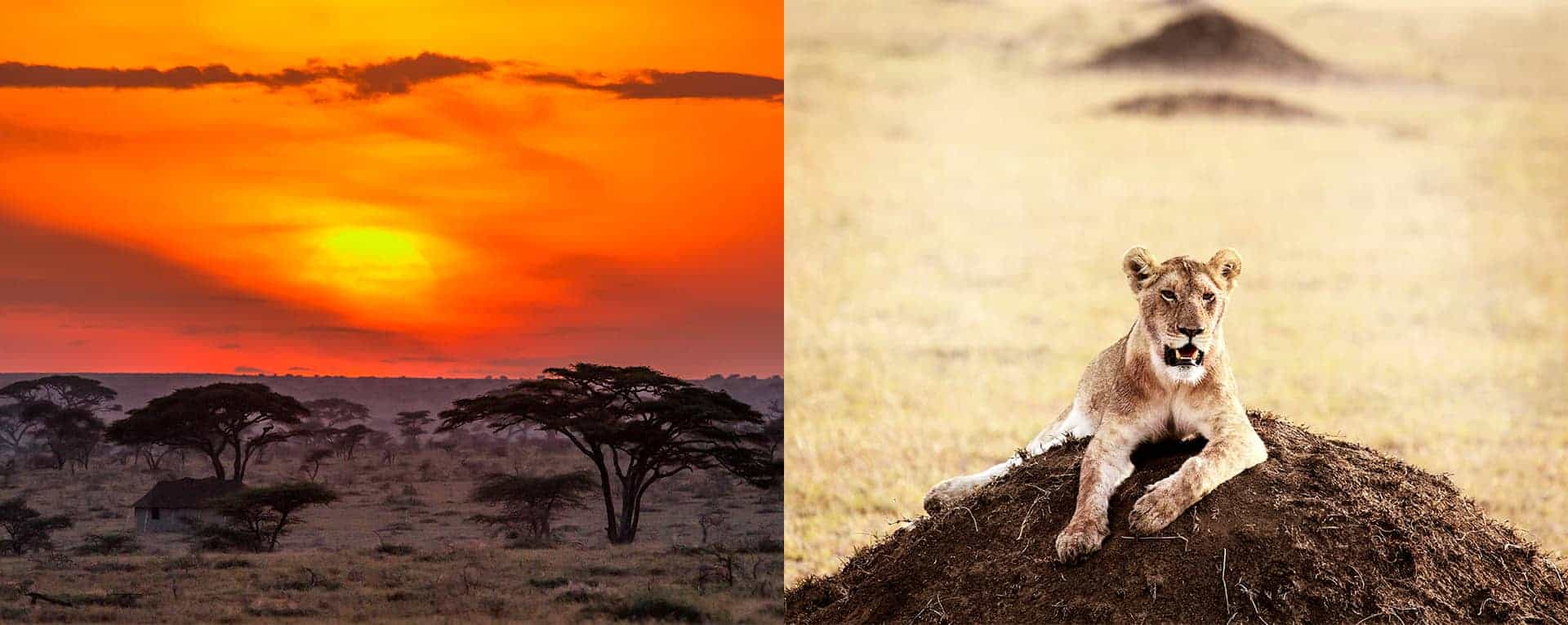
Luxury tented camps
Is an East Africa Safari Still Worth It in 2026?
Absolutely.
Despite rising fuel costs, East Africa remains one of the best safari destinations in the world.
Travelers can still experience incredible wildlife in iconic locations such as:
-
Ngorongoro Conservation Area
With expert planning, safari companies like Traford Safaris design itineraries that balance cost, wildlife experiences, and travel comfort.
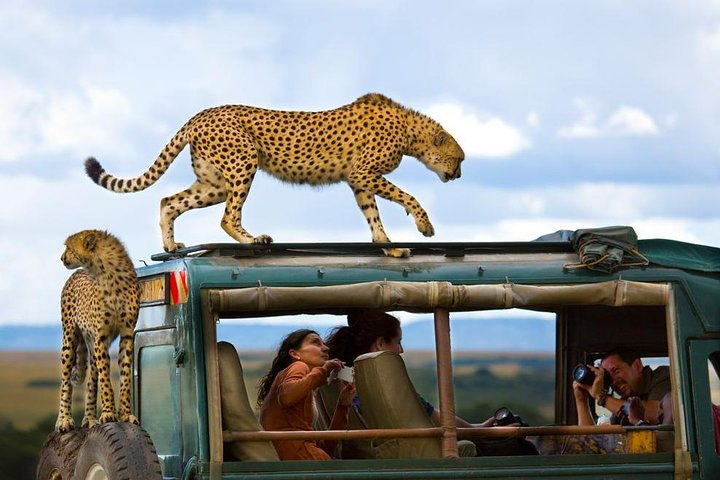
Game drive in Masai mara
Tips to Keep Your Safari Affordable in 2026
Travelers can reduce costs while still enjoying an unforgettable safari.
Book Early
Early bookings allow travelers to secure the best lodge rates and permits.
Travel During Shoulder Season
Months like May, early June, and November often offer great wildlife viewing with lower safari rates.
Choose Fewer Parks
Spending more time in fewer parks reduces long driving distances and fuel costs.
Travel with Experienced Safari Operators
Working with experienced companies like Traford Safaris ensures efficient routes, comfortable vehicles, and well-planned itineraries.
Plan Your East Africa Safari with Traford Safaris
At Traford Safaris, we specialize in tailor-made safari experiences across Uganda, Kenya, Tanzania, and Rwanda.
Our expert team designs unforgettable journeys including:
-
Gorilla trekking adventures
-
Big Five wildlife safaris
-
Great Migration tours
-
Multi-country East Africa safari itineraries
Even with changing fuel prices, our goal is always the same: to deliver exceptional safari experiences at the best possible value.