
A New Cultural Landmark in Lake Mutanda: Kisoro Art Island
April 29, 2026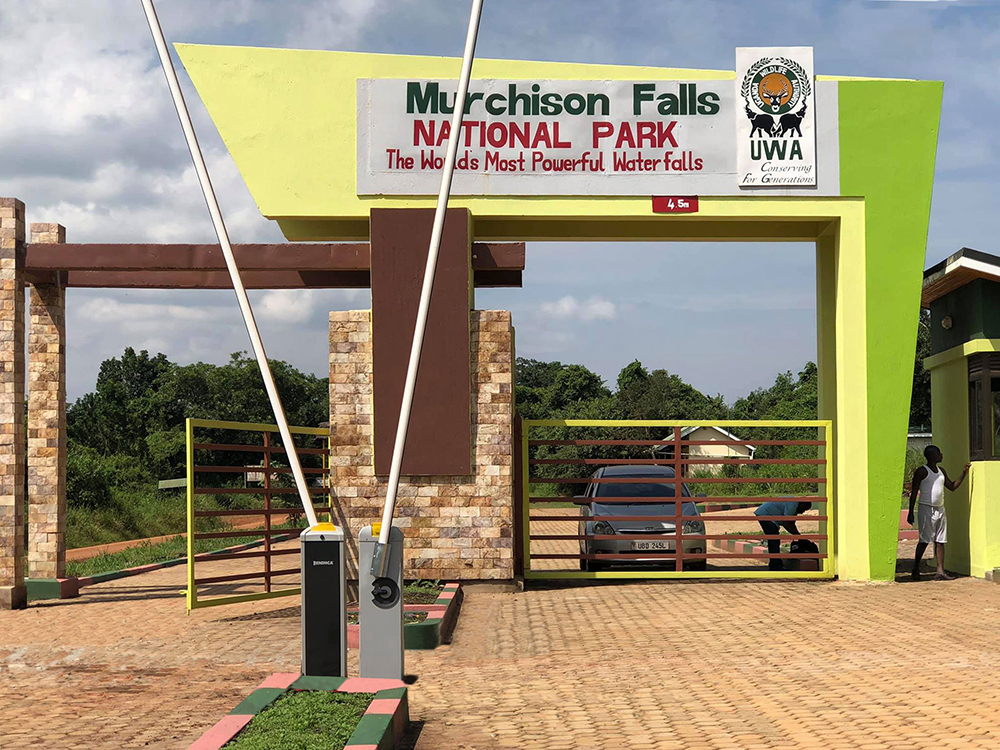
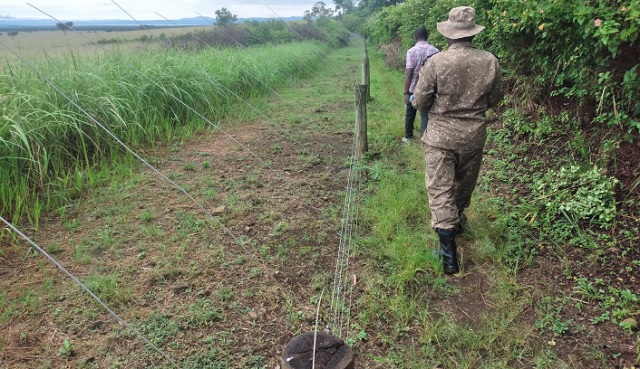
Uganda’s efforts to reduce human-wildlife conflict have received a major boost with the installation of a 15-kilometre electric fence along part of the boundary of Murchison Falls National Park. The project is aimed at protecting nearby communities from destructive wildlife incursions, particularly elephants, while also safeguarding animals inside the park.
This latest development is welcome news for residents living near the park, many of whom have faced years of crop destruction, damaged property, and occasional attacks caused by wildlife straying into villages.
Why the Fence Was Needed
Murchison Falls National Park is Uganda’s largest national park and home to elephants, buffaloes, giraffes, lions, and many other species. While this rich biodiversity is a tourism treasure, communities bordering the park have often suffered when animals cross into farms and settlements.
Elephants in particular have been responsible for destroying gardens and threatening livelihoods in districts neighboring the park. According to reports, the new fence section in Oyam District has already helped restore peace in affected communities.
How the Electric Fence Helps
The 15km electric fence is designed as a non-lethal barrier that discourages animals from crossing park boundaries. It helps create safer separation between people and wildlife while allowing animals to remain in their natural habitat.
Benefits include:
- Reduced crop destruction by elephants and buffaloes
- Improved safety for families living near the park
- Less retaliatory conflict against wildlife
- Better coexistence between communities and conservation areas
- Increased confidence in farming near the park boundary
Officials say electric fencing remains one of the most effective tools for managing human wildlife conflict around protected areas.
Part of a Bigger Conservation Plan
The 15km section is part of a much wider fencing program around Murchison Falls National Park. Uganda Wildlife Authority has reported that over 126 kilometres of fencing had already been installed around different sections of the park by April 2026, with more planned.
This long-term strategy aims to protect communities in districts such as:
- Oyam
- Nwoya
- Buliisa
- Masindi
- Kiryandongo
By gradually extending the fence, authorities hope to reduce conflict across the entire conservation area.
Good News for Tourism
Peaceful coexistence between wildlife and communities is essential for sustainable tourism. As one of Uganda’s most visited safari destinations, Murchison Falls National Park attracts travelers seeking game drives, boat safaris, birdwatching, and views of the mighty Nile waterfall.
Projects like this strengthen the future of tourism by ensuring wildlife remains protected while local people benefit from living near a world-class destination.
With Traford Safaris Ltd, visitors can experience Murchison Falls through expertly guided safaris while also learning how conservation and communities work together.
Why Murchison Falls Remains Special
Beyond this important fencing project, the park remains one of East Africa’s finest safari locations, famous for:
- The dramatic Murchison Falls on the Nile
- Large elephant and giraffe populations
- Lions, leopards, and buffaloes
- Boat cruises to the base of the falls
- Chimpanzee tracking in nearby Budongo Forest
It is a destination where adventure and conservation go hand in hand.
Final Thoughts
The installation of the 15km electric fence in Murchison Falls National Park is more than an infrastructure project it is a symbol of progress. It shows that wildlife protection and community safety can move forward together.
For Uganda, it is another step toward stronger conservation and better tourism experiences. For local residents, it brings hope, security, and renewed confidence in farming near the park.
And for travelers booking with Traford Safaris Ltd, it means visiting a destination where nature is protected and the future looks brighter than ever.