
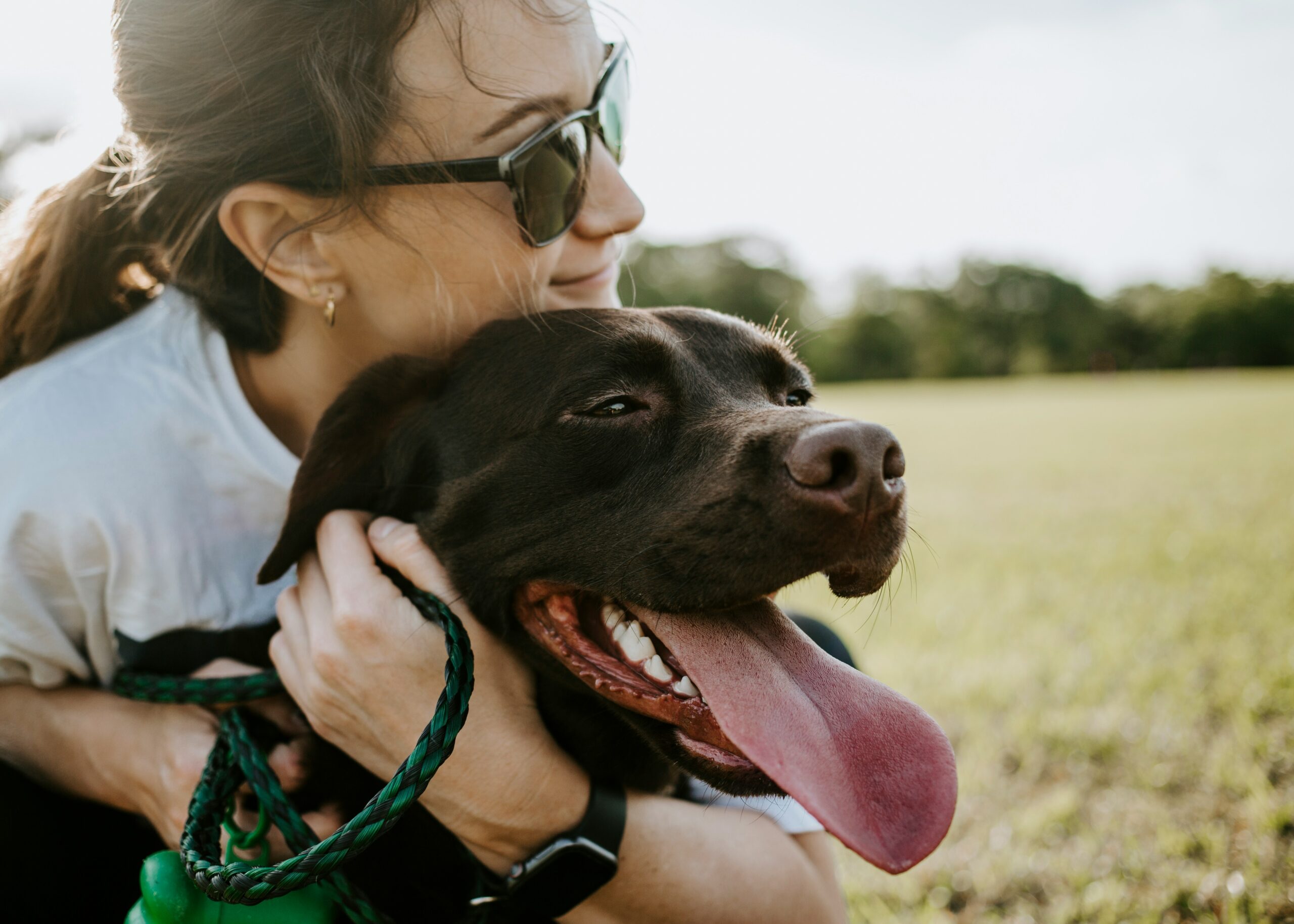
For many travelers, pets are more than companions they are family. It’s only natural to wonder whether you can bring them along on a once-in-a-lifetime African safari. However, when it comes to wildlife destinations in East Africa, there is a clear and important rule:
👉 Pets are not allowed in national parks.
This applies across the region, including iconic safari destinations such as Bwindi Impenetrable National Park, Queen Elizabeth National Park, Serengeti National Park, and Maasai Mara National Reserve.
While this may come as a disappointment to pet owners, these rules exist for very good reasons. In this guide, we explain why pets are restricted, what your alternatives are, and how to plan a safari that works for both you and your furry companion.
:strip_icc()/spruce-pets-german-dog-breeds-update-0c81efd9f89c4e41880e3113d55877c9.jpg)
Why Pets Are Not Allowed on Safari
African safaris take place in carefully protected ecosystems where wildlife conservation is the top priority. Allowing domestic animals into these environments would create serious risks.
1. Protecting Wildlife Health
One of the biggest concerns is disease transmission. Domestic pets can carry illnesses such as rabies or canine distemper, which could spread to wild animals. This is particularly dangerous for endangered species.
For example, mountain gorillas in Bwindi Impenetrable National Park are highly susceptible to human and animal diseases. Even minor infections can have devastating effects on already vulnerable populations.
2. Safety Risks for Pets
African wildlife is unpredictable. Predators like lions, leopards, and hyenas are naturally inclined to hunt smaller animals. Even herbivores such as elephants or buffalo can be aggressive if they feel threatened.
A domestic pet would not only be at risk but could also trigger dangerous encounters that put other travelers and guides in harm’s way.
3. Preserving Natural Behavior
Safaris are designed to observe animals in their natural habitat without interference. The presence of pets can disrupt wildlife behavior, causing stress or altering movement patterns.
Conservation authorities work hard to maintain these ecosystems, and strict rules like banning pets help preserve the authenticity of the safari experience.
What This Means for Travelers
In practical terms, if your itinerary includes game drives, gorilla trekking, or visits to protected areas, your pet will not be able to accompany you.
This applies to nearly all safari activities, including:
- Game drives in savannah parks
- Boat safaris along rivers and lakes
- Gorilla and chimpanzee trekking experiences
- Guided nature walks inside protected areas
Understanding this early in your planning process helps you avoid complications later.
Alternatives for Traveling Pet Owners
Although pets cannot join safari activities, there are still ways to plan your trip comfortably and responsibly.
1. Leave Your Pet at Home (Best Option)
For most travelers, this is the safest and most practical solution. Leaving your pet in a familiar environment reduces stress and ensures they receive proper care.
You can arrange:
- A trusted pet sitter
- Care with family or friends
- A professional boarding facility
This option allows you to fully focus on your safari experience without worrying about your pet’s wellbeing.
2. Travel with Pets But Stay Outside Parks
If you are relocating, on a long stay, or simply prefer to travel with your pet, you can include them in parts of your journey just not inside national parks.
Cities such as Kampala, Nairobi, and Arusha offer more flexible accommodation options.
In this case, you can:
- Stay in pet-friendly accommodations
- Arrange a pet sitter while you go on safari
- Plan shorter excursions rather than extended park stays
3. Split Your Trip
Another effective approach is to divide your holiday into two parts:
- A relaxed stay with your pet in a city or private residence
- A separate safari experience without your pet
This allows you to enjoy both travel with your companion and the full safari adventure without compromise.
Bringing Pets into East Africa
If you are considering traveling internationally with your pet, it’s important to understand the logistics involved.
Most East African countries require:
- A valid veterinary health certificate
- Up-to-date vaccination records (especially rabies)
- An import permit from relevant authorities
Airlines also have strict policies regarding pet transport, and long-haul flights can be stressful for animals. In some cases, pets may need to travel in cargo, which is not ideal for every animal.
Because of these complexities, bringing a pet to Africa should only be considered if absolutely necessary.
Additional Challenges to Consider
Even outside national parks, traveling with pets in Africa can present challenges:
- Climate: High temperatures and humidity can be uncomfortable for some animals
- Insects and parasites: Ticks, mosquitoes, and other pests are common
- Veterinary access: Quality veterinary services may not be readily available in remote areas
- Transport: Long road journeys on rough terrain can be stressful for pets
These factors further reinforce why safaris and pets are generally not a suitable combination.
Expert Advice from Traford Safaris
At Traford Safaris, we believe in providing honest, practical guidance to help you plan the best possible experience.
While we understand the emotional bond travelers have with their pets, safaris are designed around wildlife conservation and safety. For this reason, pets are not part of the safari experience.
Our recommendation is simple:
👉 Ensure your pet is safe, comfortable, and well cared for at home while you travel.
This allows you to fully immerse yourself in the beauty of Africa without unnecessary stress or risk.