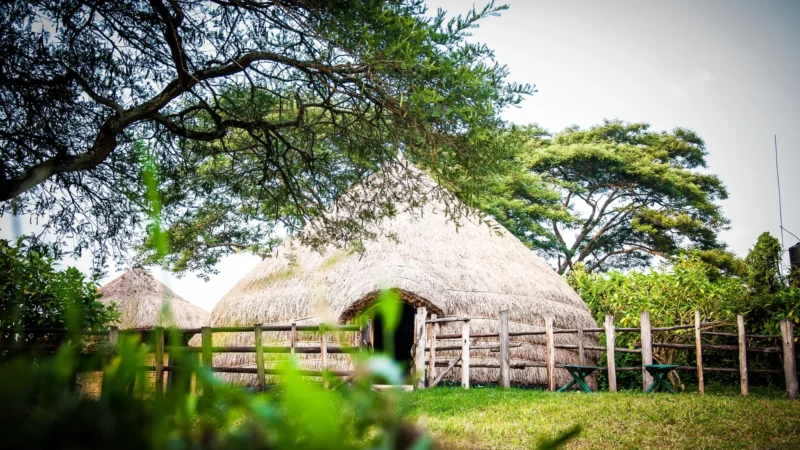
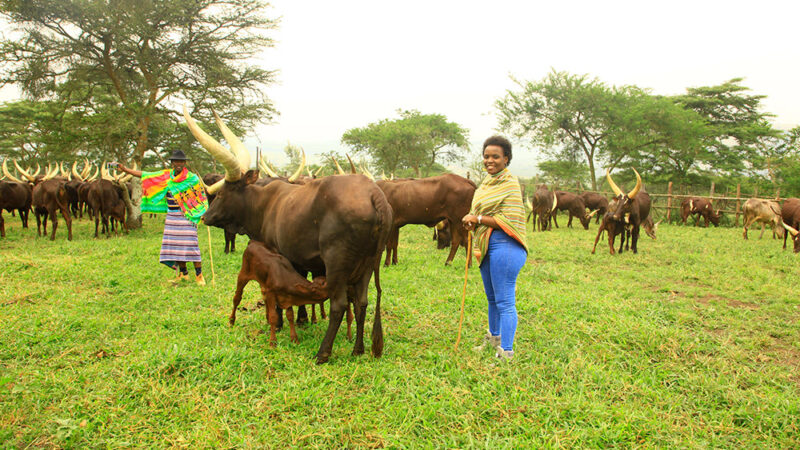
Uganda remains one of Africa’s leading safari destinations, attracting travelers for gorilla trekking, wildlife safaris, chimpanzee tracking, and cultural experiences. However, recent Ebola reports linked to neighboring Democratic Republic of Congo (DRC) have raised concerns among international travelers planning East African safaris in 2026.
As information spreads quickly online, it is important to separate facts from fear. While the situation deserves attention and caution, context also matters.
The good news is that Uganda has extensive experience managing Ebola outbreaks and has already activated strong public health response systems.
What Is Happening in Uganda?
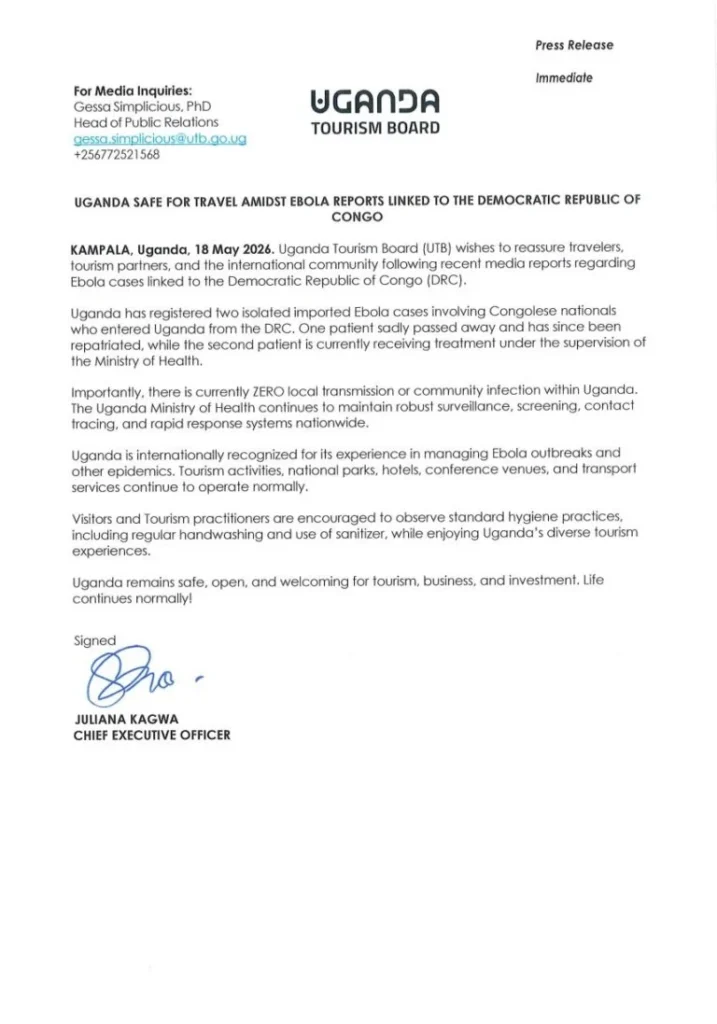
In May 2026, Uganda confirmed imported Ebola cases linked to the ongoing outbreak in eastern DRC. The cases involve the Bundibugyo strain of Ebola virus disease, a strain first identified in Uganda in 2007.
Following confirmation, Uganda’s Ministry of Health quickly implemented:
Contact tracing
Screening and surveillance
Isolation measures
Cross-border monitoring
Public health awareness campaigns
Authorities continue monitoring the situation closely while working alongside the World Health Organization (WHO) and regional health partners.
Ebola Is Not Airborne
One of the most important facts travelers should understand is that Ebola is not an airborne disease.
Unlike illnesses such as COVID-19 or influenza, Ebola does not spread through casual breathing in public spaces or simply being near someone. Instead, Ebola spreads through direct contact with bodily fluids from an infected person or contaminated materials.
This means travelers visiting safari lodges, national parks, hotels, restaurants, or tourist attractions are not automatically at risk simply by being in Uganda.
Health experts continue emphasizing that proper hygiene, awareness, and early detection remain the most effective ways to prevent transmission.
Social Media Often Looks Scarier Than Reality
In today’s digital world, health news spreads rapidly across social media platforms. Unfortunately, headlines, short videos, and viral posts sometimes create panic without providing full context.
Images or posts shared online can make situations appear larger or more widespread than they actually are. In reality, Uganda’s health authorities have extensive experience responding to Ebola outbreaks and have acted quickly to contain imported cases.
Most tourism areas across Uganda continue operating normally, including:
Safari operations, gorilla trekking, chimpanzee tracking, and cultural tours continue under normal tourism guidelines.
Therefore, travelers should rely on verified updates from trusted sources rather than social media speculation alone.
Uganda’s Experience in Managing Ebola
Uganda is not new to Ebola preparedness. Over the years, the country has built strong systems for:
Rapid outbreak detection
Community awareness
Medical response coordination
Contact tracing
Traveler screening
This experience allows Uganda to respond much faster than many countries facing Ebola for the first time.
The World Health Organization has also continued supporting Uganda’s surveillance and emergency response efforts.
Is Uganda Safe for Tourists in 2026?
At the moment, Uganda’s tourism sector continues operating in most destinations. National parks, lodges, and tourism services remain open while health authorities maintain monitoring systems and safety measures.
Travelers should still:
Follow official travel updates
Practice good hygiene
Use trusted safari operators
Inform guides or lodge staff if feeling unwell
Avoid misinformation online
Most importantly, travelers should remember that East Africa is a large region, and isolated health incidents do not automatically affect every destination or tourism experience.
How Traford Safaris Supports Travelers
At Traford Safaris, traveler safety remains our highest priority.
We continue monitoring updates from Uganda’s Ministry of Health and the World Health Organization to ensure travelers receive accurate and timely information.
Our team supports guests by:
Providing updated travel guidance before arrival
Working with trusted lodges and transport providers
Assisting with flexible itinerary planning if needed
Sharing reliable safety information and travel advice
Maintaining communication throughout your safari journey
Uganda remains one of Africa’s most rewarding travel destinations, and responsible tourism continues supporting conservation, communities, and livelihoods across the country.
Final Thoughts
The current Ebola situation in Uganda deserves awareness but not panic.
Ebola is not airborne, Uganda has strong outbreak response systems, and most tourism destinations continue operating normally. While social media can sometimes amplify fear, verified information and proper context paint a much clearer picture.
For travelers planning safaris in 2026, staying informed, practicing responsible travel, and working with experienced operators like Traford Safaris remain the best ways to travel confidently and safely while experiencing the incredible beauty of Uganda and East Africa.