Nshenyi Cultural Village: Experience Authentic Ankole Culture in Western Uganda
May 20, 2026
Ebola Update 2026: What Travelers Need to Know About Uganda’s Current Situation
May 25, 2026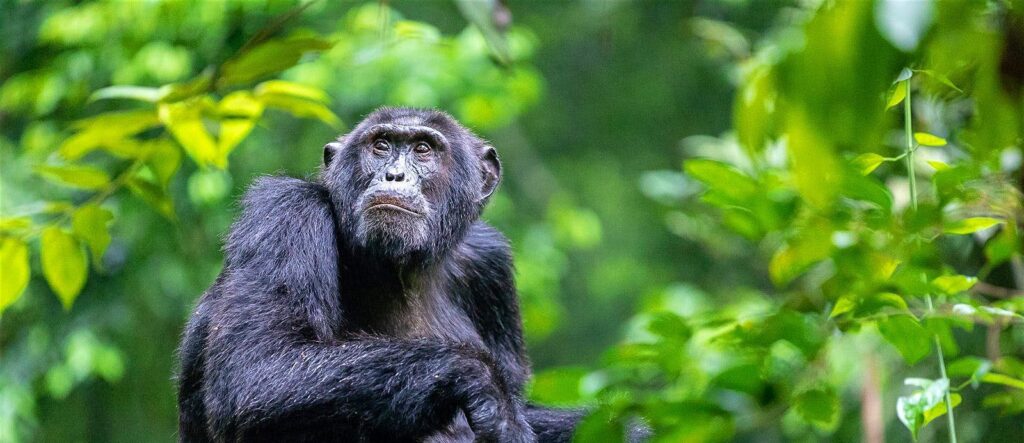
Deep within the lush forests of Kibale National Park, one of Africa’s most intelligent primate communities is experiencing a major social change. Researchers and trackers in the park have observed leadership transitions among chimpanzee groups a powerful reminder that chimpanzee societies are remarkably complex, emotional, and political.
For travelers visiting Kibale in 2026, chimpanzee tracking is becoming even more fascinating as scientists continue studying how these primates organize leadership, resolve conflicts, and maintain social order within their communities.
How Chimpanzee Leadership Works
Unlike gorilla families that are usually led by a dominant silverback, chimpanzees live in dynamic societies where leadership constantly changes. Each chimpanzee community is typically led by an alpha male who gains power through intelligence, alliances, strength, and social influence.
However, becoming leader is not simply about fighting. Chimpanzees build friendships, form coalitions, groom allies, and compete for dominance over time. In many cases, leadership changes happen gradually as younger or more strategic males gain support within the group.
Researchers in Kibale National Park have documented several fascinating leadership transitions over the years, providing rare insight into primate behavior that closely mirrors aspects of human social systems.
The Recent Leadership Change in Kibale
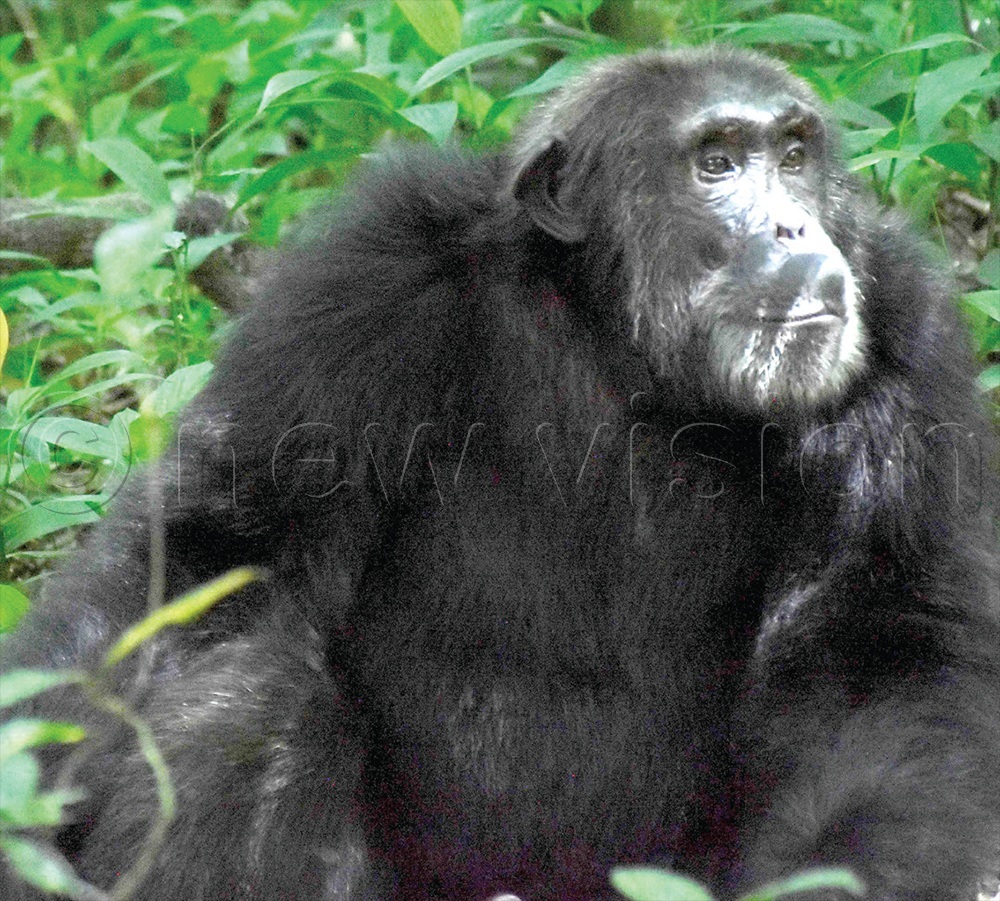
Recent observations from chimpanzee researchers and park trackers suggest that one of Kibale’s habituated chimpanzee communities has undergone a leadership transition. After years of dominance, an aging alpha male appears to have stepped aside as a younger and stronger rival gains influence within the group.
Such changes are significant because leadership affects:
- Group stability
- Feeding patterns
- Territory defense
- Social interactions within the community
- Relationships among females and younger chimpanzees
During these transition periods, chimpanzee groups often become more vocal and active as dominance relationships shift.
For visitors, this creates a unique opportunity to witness complex social interactions in the wild.
Why Kibale Is Famous for Chimpanzee Research
Kibale National Park is widely considered one of the best places in Africa for chimpanzee tracking and primate research.
The park is home to over 1,500 chimpanzees and several habituated communities that researchers have studied for decades. Because of long-term research efforts, scientists have gained valuable insight into chimpanzee communication, hunting behavior, leadership struggles, parenting, and emotional intelligence.
Kibale also contains one of the highest concentrations of primates in Africa, including:
- Red colobus monkeys
- L’Hoest’s monkeys
- Black-and-white colobus monkeys
- Grey-cheeked mangabeys
- Olive baboons
This biodiversity makes the forest one of Uganda’s most important ecological and research destinations.
What Travelers Can Expect During Chimpanzee Tracking
Chimpanzee tracking in Kibale offers a very different experience from traditional game drives. Instead of searching open savannahs, visitors walk through tropical rainforest while listening for chimpanzee calls echoing through the trees.
Once located, chimpanzees can often be seen:
- Grooming each other
- Feeding in fruit trees
- Playing and chasing through the canopy
- Displaying dominance behavior
- Communicating through loud vocalizations
During periods of leadership change, visitors may witness dramatic interactions and social behavior rarely seen elsewhere.
The experience feels raw, unpredictable, and deeply immersive.
Why Leadership Changes Matter
Chimpanzee leadership transitions are important not only for researchers but also for conservation. Healthy social structures help maintain stable chimpanzee communities and contribute to the long-term survival of the species.
Studying these changes also helps scientists better understand:
- Primate intelligence
- Social cooperation
- Conflict resolution
- Evolutionary behavior
Because chimpanzees share nearly 98% of human DNA, their social systems often provide fascinating parallels to human societies.
Experience Kibale with Traford Safaris
At Traford Safaris, we help travelers experience the incredible world of chimpanzees through carefully planned primate safaris in Uganda.
Our Kibale experiences include:
- Chimpanzee tracking permits
- Guided forest walks
- Cultural experiences around Fort Portal
- Bigodi Wetland excursions
- Tea plantation visits
- Combined gorilla and chimpanzee safaris
For travelers interested in wildlife behavior, photography, or primate conservation, Kibale remains one of East Africa’s most rewarding destinations.
Final Thoughts
The recent leadership changes among Kibale’s chimpanzees remind us how intelligent and socially complex these primates truly are. Their societies are constantly evolving, shaped by alliances, competition, communication, and cooperation.
For travelers exploring Uganda in 2026, chimpanzee tracking in Kibale National Park offers far more than wildlife viewing. It provides a rare glimpse into one of nature’s most fascinating social worlds unfolding in real time within the rainforest canopy.